
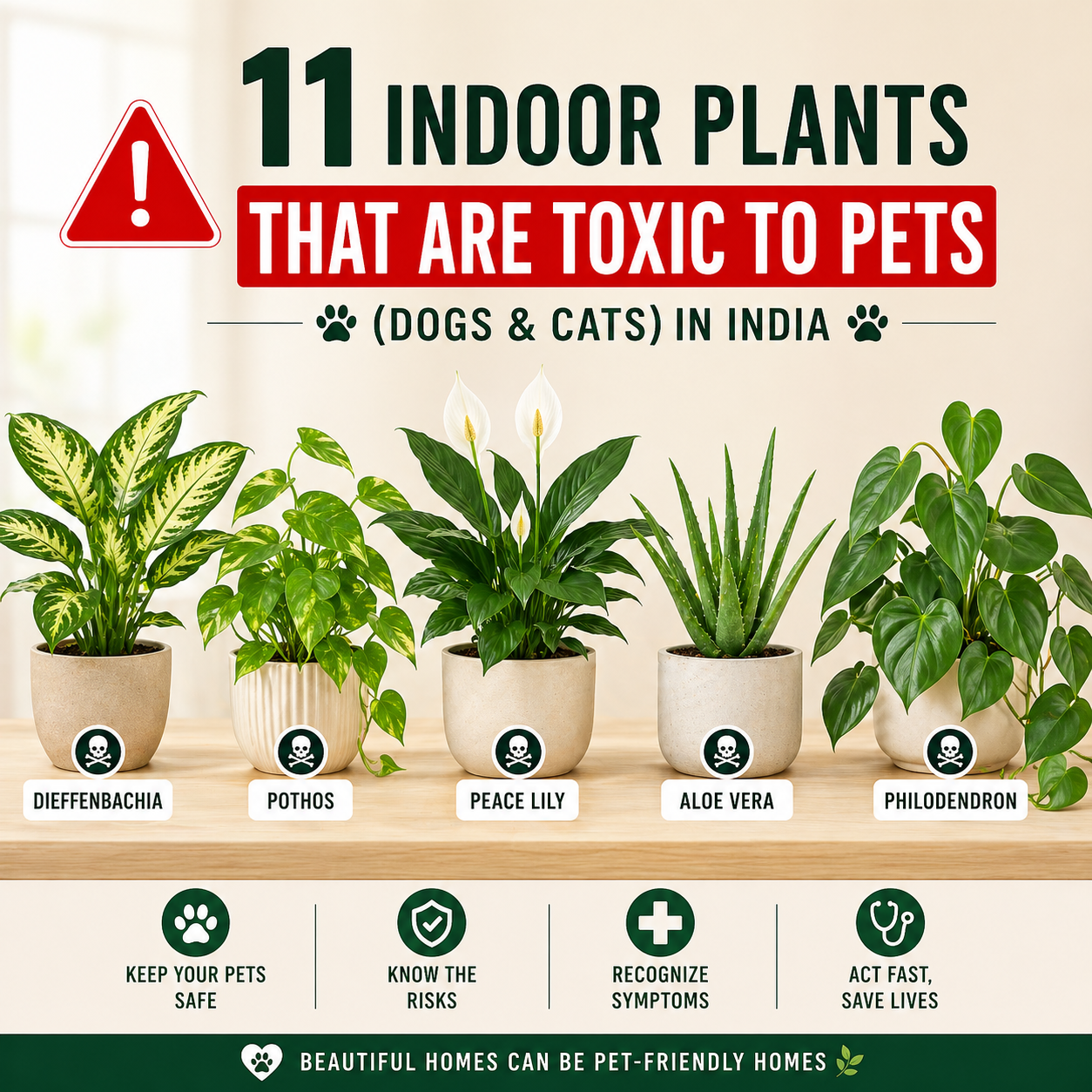
Indoor plants toxic to dogs and cats include pothos, dieffenbachia, aloe vera, peace lily, and philodendron. These plants contain compounds that can cause vomiting, mouth irritation, swelling, and other health issues if ingested.
I wrote this guide after a real scare at home—when my dogs fell sick, and I realized how easily indoor plants can become a hidden risk for pets.
Common Indoor Plants Toxic to Dogs and Cats
- Dieffenbachia
- Pothos (Money Plant)
- Aloe Vera
- Peace Lily
- Snake Plant
- Philodendron
- Caladium
- ZZ Plant
- English Ivy
- Croton
Why I Started Paying Attention to Toxic Plants
Living with seven dogs has taught me more than I ever expected about responsibility and care. Four of my female dogs stay with me in my room, always close, while the others are in separate spaces. Managing their daily needs along with household work already feels like a full-time role.
One day, everything felt normal until one of my dogs suddenly developed bloody stools and refused to eat. It was worrying and confusing at the same time. I kept wondering what she might have eaten, but nothing obvious came to mind. A plant was my only suspicion, though I could not identify which one.
Following my veterinarian’s advice, I gave a small dose of activated charcoal and withheld food for several hours. That night felt long and uncertain, but by the next day, she slowly began to improve.
Just when things seemed under control, another younger dog showed the same symptoms. This time, I paid closer attention and noticed she had been near a large fern plant. It was dense, and its leaves would often fall onto the floor—easy for curious pets to reach.
I immediately moved the plant out of their access. I followed the same initial steps again, but this time the situation was more serious. Being only five months old, she needed veterinary care, including IV fluids. Watching her go through that was stressful, but thankfully, she recovered within two days.
The Lesson That Changed How I Keep Plants at Home
That experience made me realize how easily pets can come into contact with plants that may not seem harmful at first. It also pushed me to study indoor plants more carefully and reorganize my home to keep both my pets and plants safe.
I started paying closer attention to every plant in my home—what it was, where it was placed, and whether it was truly safe. I rearranged my indoor and outdoor plants, making sure my dogs could not accidentally reach anything harmful.
Since then, I have been far more careful and intentional about the plants I keep indoors.
This article comes from that experience, written to help other pet owners who love plants but want to keep their homes safe for their animals.
11 Indoor Plants Toxic to Dogs and Cats
Below are some of the most common indoor plants toxic to dogs and cats.
1. Croton
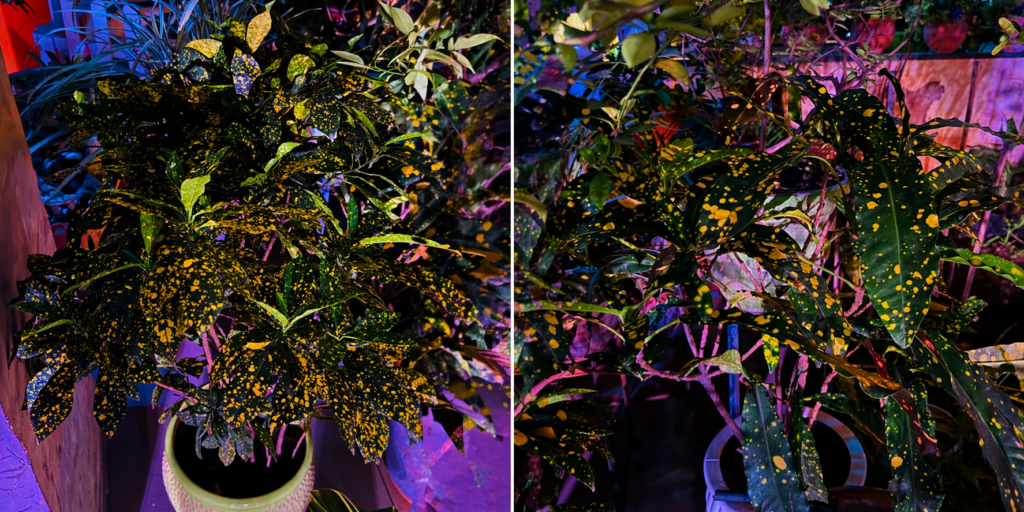
Why it’s harmful:
Contains an irritating sap that can affect the skin and digestive system if ingested.
Symptoms:
Vomiting, drooling, skin irritation, mild stomach upset
2. Aloe Vera
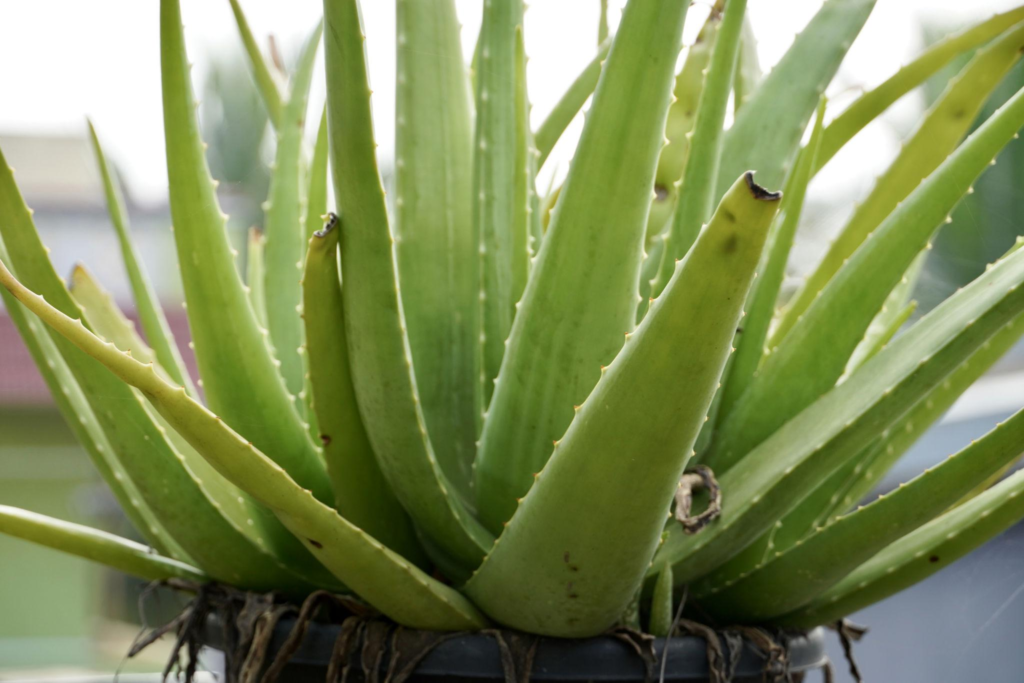
Why it is harmful:
Contains saponins and anthraquinones, which have laxative and irritating effects on the digestive tract.
Symptoms:
Vomiting, diarrhea, lethargy, weakness
3. Dieffenbachia
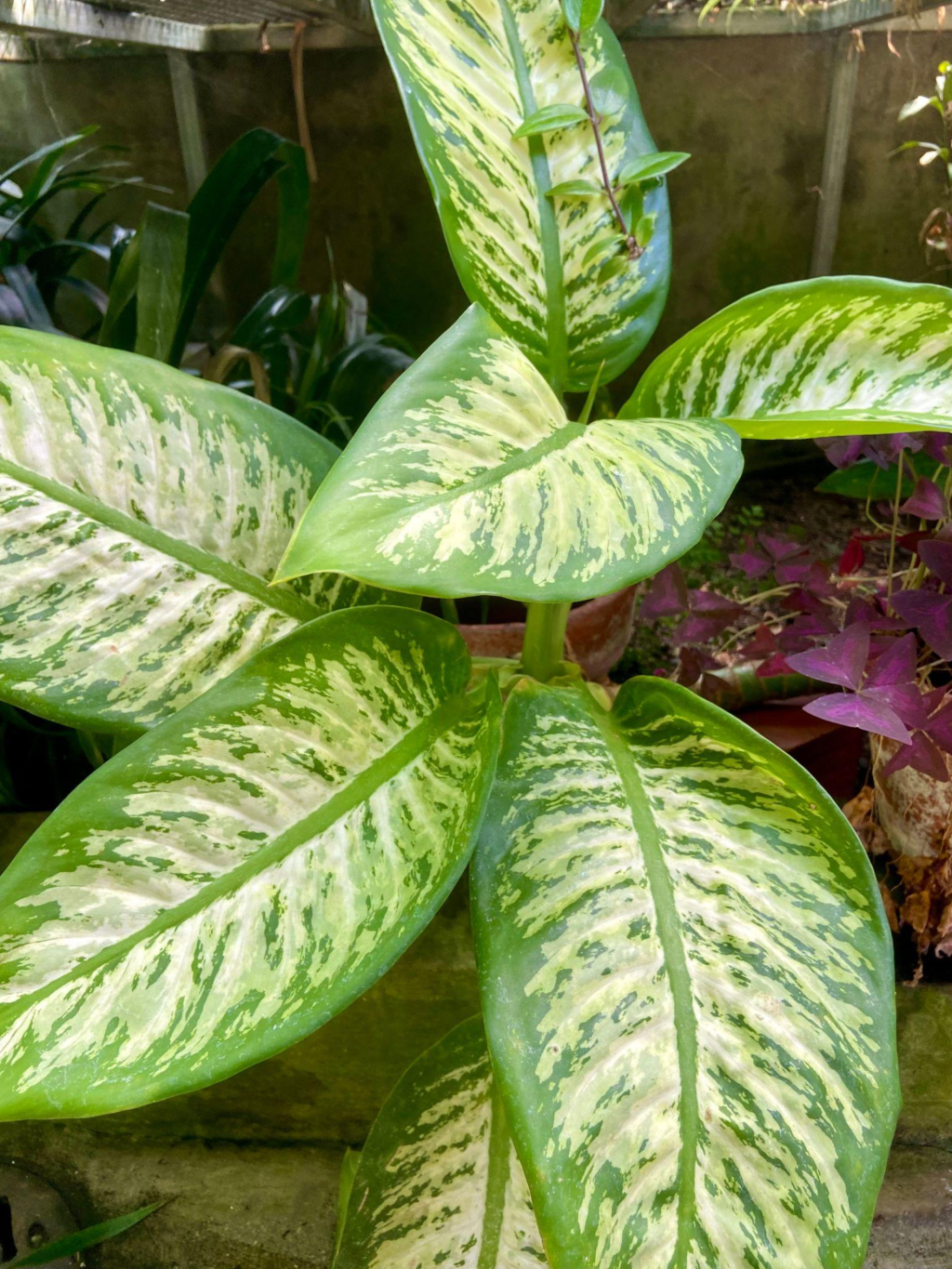
Why it’s harmful:
Contains calcium oxalate crystals that cause immediate irritation when chewed.
Symptoms:
Intense mouth irritation, swelling of lips and tongue, drooling, difficulty swallowing
4. Snake Plant
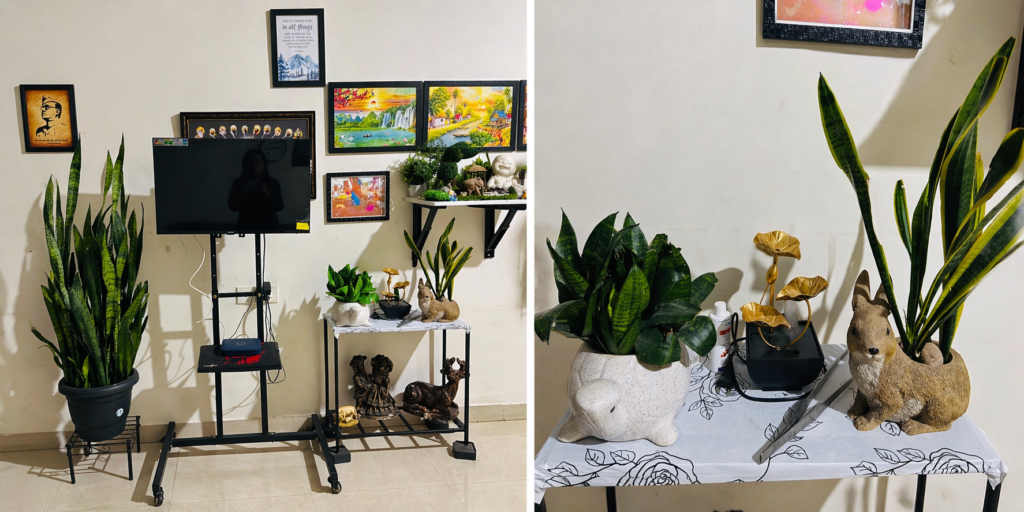
Why it is harmful:
Contains saponins that disrupt the gastrointestinal system when ingested.
Symptoms:
Nausea, vomiting, diarrhea
5. Pothos (Money Plant)

Why it’s harmful:
Contains insoluble calcium oxalate crystals that irritate tissues on contact.
Symptoms:
Burning sensation in the mouth, drooling, vomiting, swelling
6. Peace Lily
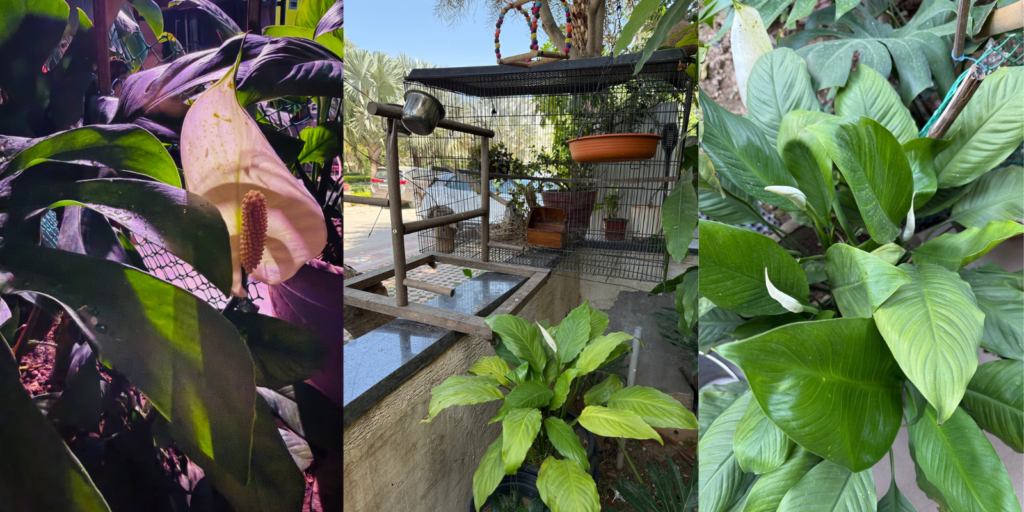
Why it is harmful:
Contains calcium oxalate crystals that cause localized irritation.
Symptoms:
Mouth irritation, drooling, difficulty swallowing, discomfort
7. ZZ Plant

Why it is harmful:
Contains calcium oxalate compounds that irritate skin and mucous membranes.
Symptoms:
Vomiting, drooling, skin or mouth irritation
8. Philodendron

Why it is harmful:
Contains calcium oxalate crystals that cause irritation when chewed.
Symptoms:
Swelling, drooling, mouth pain, vomiting
9. Caladium
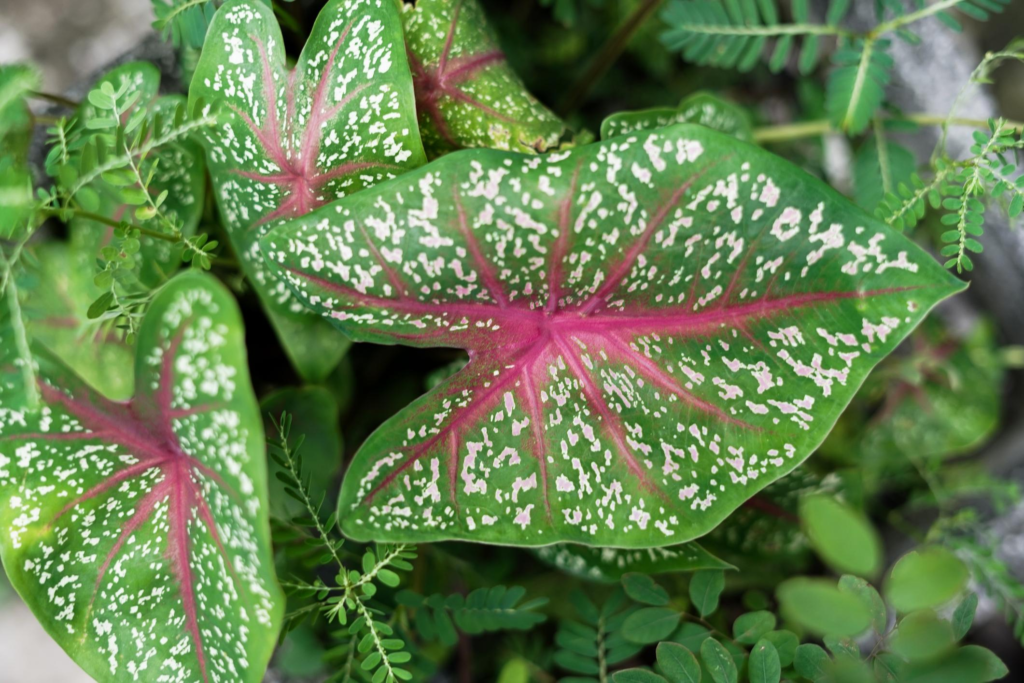
Why it’s harmful:
Contains high levels of calcium oxalate crystals that cause severe irritation.
Symptoms:
Severe burning in mouth, swelling, drooling, difficulty swallowing
10. English Ivy

Why it’s harmful:
Contains triterpenoid saponins that irritate the digestive system and skin.
Symptoms:
Vomiting, abdominal pain, drooling, skin irritation
11. Fern (Certain Varieties Only)

Why it may be harmful:
Some varieties, such as asparagus fern, contain compounds that can irritate the digestive tract.
Symptoms:
Vomiting, diarrhea, possible abdominal discomfort
Toxic Indoor Plants and Their Effects
| Plant Name | Toxic To | Toxic Component | Severity Level | Common Symptoms |
|---|---|---|---|---|
| Aloe Vera | Dogs, Cats | Saponins, Anthraquinones | Moderate | Vomiting, diarrhea, lethargy |
| Dieffenbachia (Dumb Cane) | Dogs, Cats | Calcium oxalate crystals | Moderate | Oral irritation, swelling, drooling |
| Snake Plant | Dogs, Cats | Saponins | Mild–Moderate | Nausea, vomiting |
| Pothos (Money Plant) | Dogs, Cats | Insoluble calcium oxalates | Moderate | Burning mouth, drooling |
| Peace Lily | Dogs, Cats | Calcium oxalate crystals | Moderate | Mouth irritation, drooling |
| ZZ Plant | Dogs, Cats | Calcium oxalates | Moderate | Vomiting, irritation |
| Philodendron | Dogs, Cats | Calcium oxalate crystals | Moderate | Swelling, drooling |
| Caladium | Dogs, Cats | Calcium oxalate crystals | Moderate–Severe | Severe irritation, swelling |
| English Ivy | Dogs, Cats | Triterpenoid saponins | Moderate | Vomiting, abdominal pain |
| Croton | Dogs, Cats | Irritant sap | Mild–Moderate | Vomiting, skin irritation |
| Fern (Certain varieties) | Dogs, Cats | Sapogenins (in some species) | Mild–Moderate | Digestive upset, diarrhea |
Why Pets Eat Plants
Pets may chew plants due to curiosity, boredom, or natural instinct. Puppies and kittens explore their environment by chewing, while some cats eat plants for digestive reasons.
Why Some Indoor Plants Are Toxic to Pets
Some indoor plants contain natural defense chemicals that can harm pets if ingested. Calcium oxalate crystals can cause intense mouth irritation and swelling, while compounds like saponins may lead to vomiting and digestive upset. These toxins help plants protect themselves but can be harmful to dogs and cats.
How to Pet-Proof Your Plants
Keep plants on high shelves or in hanging pots
Remove fallen leaves and plant debris regularly
Avoid placing plants near feeding or resting areas
Monitor your pet’s behavior around plants
Indoor plants also need proper care to stay healthy, especially during extreme weather. You can follow these tips to protect plants from heat waves in India.
What To Do If Your Pet Eats a Toxic Plant
Remove the plant immediately
Rinse your pet’s mouth gently (if safe)
Offer small amounts of water
Contact a veterinarian promptly
Show a photo or sample of the plant
Emergency Warning Signs
Seek immediate veterinary care if you notice:
Continuous vomiting
Excessive drooling
Difficulty breathing
Weakness or collapse
Pet-Safe Indoor Plant Alternatives
If you want greenery at home without risk, consider pet-safe indoor plants such as spider plant, areca palm, calathea, and Boston fern. These plants are generally safe for dogs and cats and can help you maintain a pet-friendly indoor environment.
Are indoor plants dangerous for dogs and cats?
Some indoor plants are toxic and can cause vomiting, irritation, or swelling if ingested, while others are completely safe. Choosing pet-safe plants and proper placement can reduce the risk.
Final Thoughts
Plants and pets can coexist safely with the right choices and precautions. Being aware of indoor plants toxic to dogs and cats and understanding their effects allows you to create a home that is both aesthetically pleasing and safe for your animals.
Check out beginner-friendly indoor plants suitable for Indian homes.
FAQs
Which indoor plants are toxic to dogs and cats?
Indoor plants toxic to dogs and cats include dieffenbachia, pothos, philodendron, caladium, aloe vera, and peace lily. These plants contain compounds that can irritate the mouth, digestive system, or cause swelling when ingested.
What are symptoms of plant poisoning in dogs and cats?
Common symptoms of plant poisoning in dogs and cats include vomiting, drooling, mouth irritation, swelling, diarrhea, and loss of appetite. Severe cases may involve difficulty breathing, weakness, or lethargy.
What should I do if my dog or cat eats a toxic plant?
If your dog or cat eats a toxic plant, remove the plant immediately, rinse the mouth gently if safe, offer small amounts of water, and contact a veterinarian as soon as possible for proper guidance.
How can I keep my pets safe from indoor plants?
To keep pets safe from indoor plants, place plants out of reach, remove fallen leaves regularly, avoid placing plants near feeding areas, and monitor your pet’s behavior around plants.
Are ferns safe for dogs and cats?
Most true ferns, such as Boston fern, are safe for dogs and cats. However, some plants like asparagus fern are not true ferns and can cause vomiting or digestive irritation if ingested.
Disclaimer
This article is for informational purposes only and does not replace professional veterinary advice.
Looking for plant fertilizers and soil mix ingredients?
Here are some recommended products:
[fertilizer_slider]