
Heat waves can be extremely harsh, not only for us but also for our plants. Because of this, understanding how to protect plants from heat waves in India becomes very important during peak summer. I have personally seen how quickly plants can lose their freshness during intense heat if we do not take a little extra care. Leaves begin to droop, the soil dries out faster than usual, and sometimes the plant looks completely stressed.
How to Protect Plants from Heat Waves in India: Proper Placement
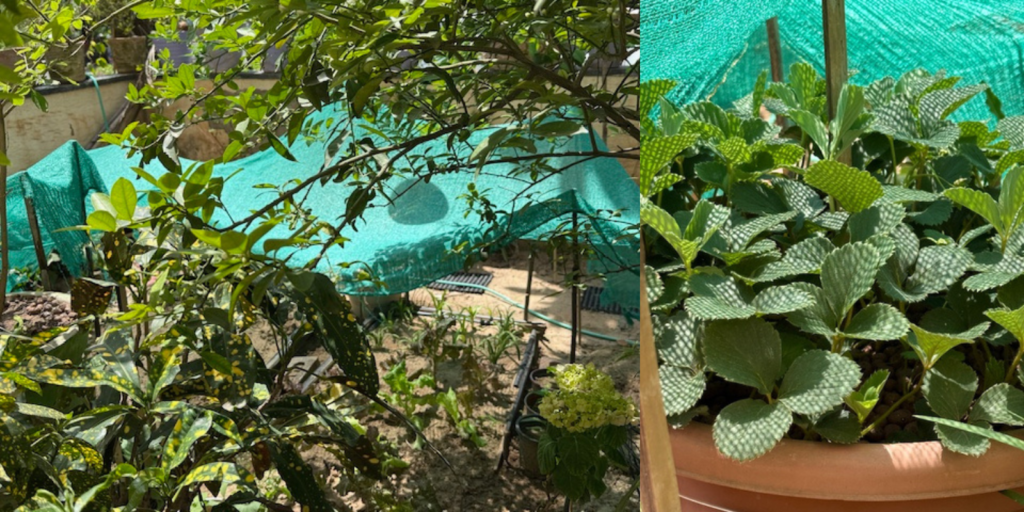
One of the first things I do during summer is adjust the placement of my plants. It is better to keep them in a partial shade area if space is available. However, if moving the plants feels like too much work, you can simply cover them with a shade net. This helps reduce direct heat exposure without disturbing your setup too much.
In addition, I also protect the soil by covering the top layer. You can use:
- mulch
- cocopeat
- moss
- or even dry leaves

Clay Balls for Mulching
Keeps soil cool & reduces evaporation
₹299

Coco Chips Mulch
Improves moisture retention
₹249
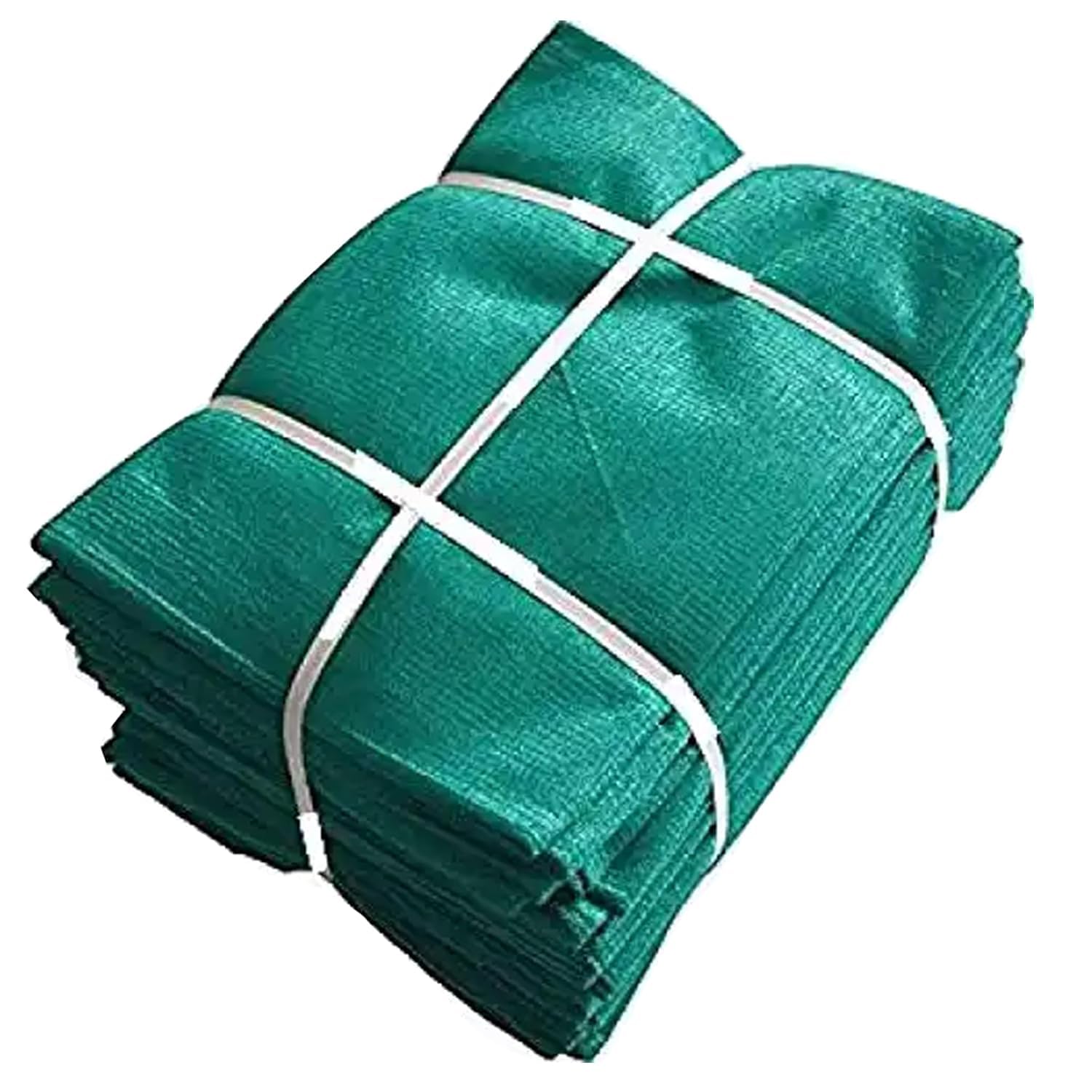
Shade Net
Protects from harsh sunlight
₹399
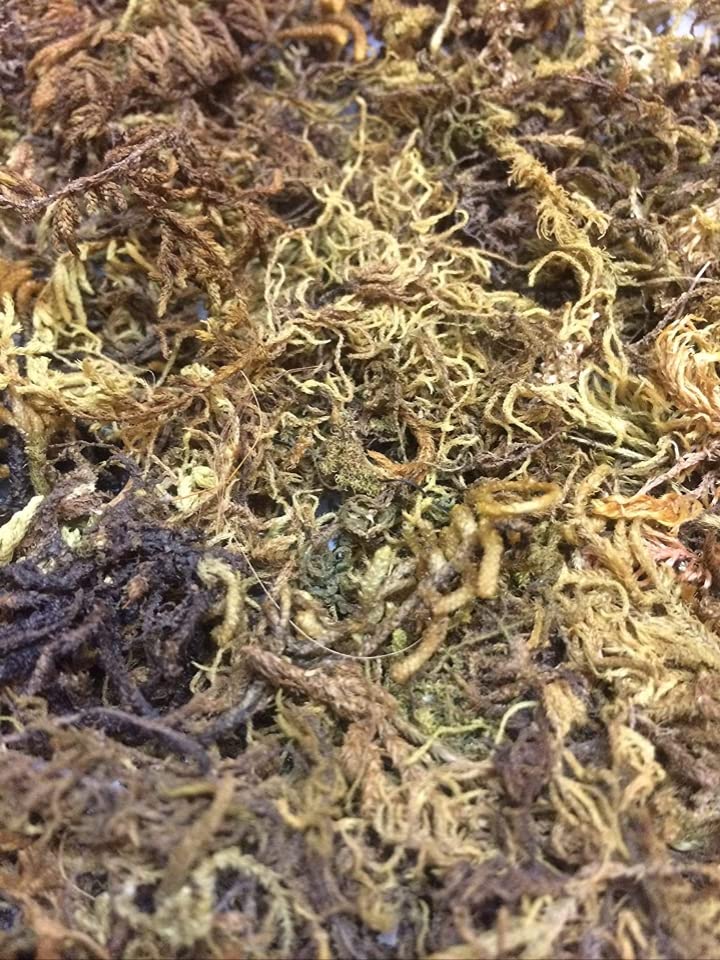
Peat Moss
Retains moisture & improves soil
₹199

Coco Peat
Lightweight & water retention
₹179
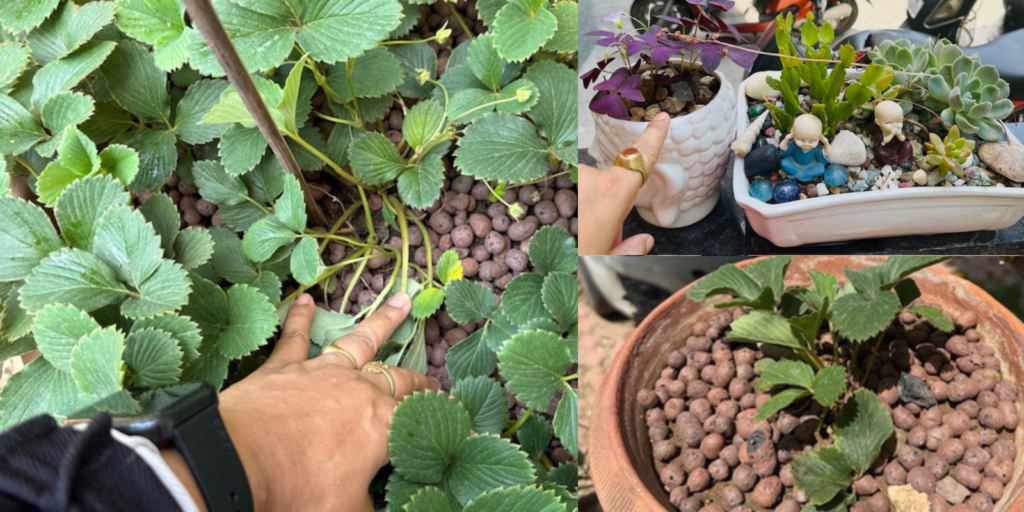
Personally, I use clay balls with a little cocopeat, and it works really well in maintaining soil moisture and temperature.
| Do’s (What to Do) | Don’ts (What to Avoid) |
|---|---|
| Keep plants in partial shade or under filtered sunlight | Avoid exposing plants to strong afternoon sun for long hours |
| Use a shade net when moving plants is not practical | Don’t leave plants in direct heat for extended periods |
| Water deeply in the early morning or early evening based on your routine | Don’t water randomly without checking soil moisture |
| Check soil moisture before watering | Don’t allow waterlogging, as it can cause root rot |
| Cover top soil with mulch, cocopeat, dry leaves, or clay balls to retain moisture | Don’t leave soil exposed, as it dries quickly in heat |
| Adjust watering depending on plant type and pot size | Don’t treat all plants the same during summer |
| Use natural methods like citronella or lemongrass incense to prevent pests | Don’t ignore pest control, especially in humid conditions |
| Observe plants daily for early signs of stress | Don’t ignore drooping, yellowing, or drying leaves |
| Increase watering in extreme dry conditions for small pots | Don’t let small pots dry out completely |
| Water succulents and low-water plants only once a week | Don’t overwater cactus, jade, or snake plants |
| Maintain space and airflow around plants | Don’t overcrowd plants in one place |
| Use shade and placement adjustments instead of frequent movement | Don’t stress plants by shifting them repeatedly |
Know Which Plants Need More Care
Not all plants react the same way to heat. Most fruit plants actually enjoy sunlight, so there is no need to worry about plants such as lemon or pomegranate.
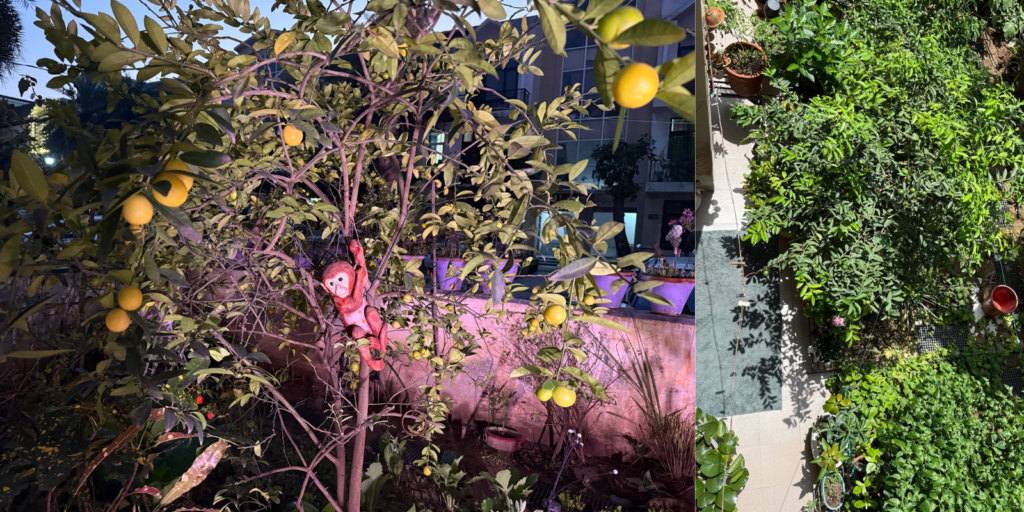
However, we need to be more careful with soft leaf plants like caladium, begonia, and ferns. Flowering plants such as fuchsia are also sensitive to heat. These plants can get damaged quickly if exposed to strong sunlight.
Indoor plants, of course, should always be placed in shaded areas to avoid direct sunlight.
For indoor plant care, you can check my guide on best indoor plants for beginners in India.
Watering Tips to Protect Plants from Heat Waves in India
Watering becomes very important during summer, but timing matters even more. It is essential to water plants thoroughly so that the roots receive enough moisture.
Ideally, watering should be done early in the morning or in the early evening. Early morning is the best time because it can help deter pests. However, due to my USA project, I often work late at night and wake up late. So for me, early evening works best.
At the same time, watering in the evening can keep the soil moist for longer, and due to high humidity, pests may develop more easily. Therefore, we need to take additional care to prevent pest problems.
Adjust Watering Based on Weather
If you live in a very hot and dry climate, you may need to water plants twice a day, especially if they are in small pots with large roots or leaves.
However, not all plants need frequent watering. Plants like cactus, succulents, jade plant, and snake plant require deep watering only once a week. Understanding this difference helps prevent overwatering.
Extra Care Tips That Make a Difference
In addition to everything above, a few small habits help a lot:
- Avoid placing plants in harsh afternoon sunlight or cover them with a shade net
- Avoid fertilizing during extreme heat, as it can stress the roots and increase the risk of root rot.
- Always check soil moisture before watering, as overwatering and waterlogging can lead to root rot.
- Keep airflow around plants for better cooling
- Avoid pruning branches during heat waves, as it can stress the plant further.
Because of these small steps, plants stay healthier and more stable even during peak summer.
Why Growing Plants Feels So Special
Even during extreme heat, plants bring a unique sense of calm. On the hottest days, when everything feels tiring and stressful, seeing my plants green and healthy makes me feel fresh.
Spending a few minutes with them helps me relax and forget the heat for a while. Watching new leaves grow or simply checking on them gives a sense of happiness that is hard to explain.
Because of this, I have realized that gardening is not just about plants—it improves our mood, reduces stress, and helps us feel connected to nature.
Conclusion
“Save trees, save the earth; we are the guardians of nature’s gifts.”
Nature has blessed us with so much and it is our duty to save and protect her in return.
Taking care of plants during heat waves may seem difficult at first, but it becomes easier with a few simple adjustments. Plants do not need complicated care—just proper placement, correct watering, and a little attention.
As a result, these simple steps can help you understand how to protect plants from heat waves in India.
Frequently Asked Questions
1. How can we protect plants from heat waves in India?
From my experience, the best way is to keep plants in partial shade, water them properly, and protect the soil from drying. I usually use clay balls and a little cocopeat on top of the soil, and it helps retain moisture during extreme heat.
2. How often should we water plants during heat waves?
It really depends on the weather and plant type. In very hot conditions, we may need to water twice a day, especially for plants in small pots. However, plants like snake plant, jade, and succulents need watering only once a week. I personally water in the early evening because of my routine.
3. Can plants survive direct sunlight during extreme heat?
Some plants like lemon and pomegranate can handle sunlight well. But soft leaf plants such as caladium, begonia, and ferns can get damaged quickly. So we need to be more careful with them and keep them in shade.
4. Is it okay to fertilize plants during heat waves?
In my experience, it’s better to avoid fertilizing during extreme heat. Plants are already stressed, and adding fertilizer can increase the risk of root damage or root rot.
5. How do we prevent pests during summer?
I follow a simple method in my garden. We burn lemongrass or citronella incense sticks twice a week, and it has worked really well. So far, I haven’t faced any pest issues even during humid conditions.