

Reality of Stray Dogs in India and Their Daily Life
Every street has its silent residents—the stray dogs of India—living between kindness and neglect. Their lives are not just about survival but about how they are treated by the very society they live in.
India is home to millions of stray dogs who live without consistent access to food, shelter, or medical care. Their survival depends largely on human behavior—on whether they are fed or ignored, protected or harmed. They are not separate from us; they are part of our everyday environment, quietly navigating the same streets we walk on.
“Between hunger and humanity, their lives reflect how we choose to treat the voiceless beings who share our world.”
Each day for them is uncertain—a constant search for food, safety, and a place to rest. In this struggle, their lives become a reflection of our choices as human beings.

How Stray Dogs Search for Food Daily
The survival of stray dogs in India revolves around one basic need—food.
For them, each day begins with a single question: Will I find food today?
They wander through lanes, markets, and garbage dumps, searching for scraps. Some wait patiently at the same corners, remembering the faces of those who once fed them. Hunger is not occasional—it is a constant companion. They spend each moment searching for food. There is little space for joy or play—only a quiet, constant struggle to survive.
It makes me wonder—how can anyone hurt or even kill those who are already suffering? Do we feel nothing when we hear their cries of pain? They are not criminals—they are simply trying to live, fighting each day to survive. Yet, it is often human cruelty that turns these innocent lives into beings seen as a threat.
Hunger often pushes them beyond fear. Even when they are weak or scared, they step out, ready to face anything just to survive.
One midnight, my mother and I heard a loud sound—puppies crying in pain, as if they were being hit. The cries were so intense that we first thought a vehicle might have run over them.
My mother immediately rushed toward the sound—it was about 300 meters away. But when she reached there, there was nothing. No puppies, no sign of what had happened—only a security guard standing at the gate.
She came back, confused and unsettled.
Two days later, someone told me that two puppies had been killed by someone. There was no proof, no video—just silence.
Some choose to ignore it, as if nothing happened. Some stay silent out of fear. And some even feel relieved, thinking the “dog problem” has been reduced. And that silence is what frightens me the most. Even now, I struggle to sleep, wondering if I could have saved them. Those painful cries still echo in my ears.
What does that say about us?
We are all creations of the same world created by God, sharing this earth together. Among all living beings, humans are considered the most intelligent—the ones meant to lead, guide, and protect. But when that leadership loses its sense of compassion, it doesn’t just affect us; it shapes the world for every creature that depends on it.
Stray Dog Behavior: Trust, Fear, and Loyalty
Despite their struggles, stray dogs form deep emotional bonds. A kind voice, a familiar face, or a simple meal can light up their world.
When they see someone who feeds them regularly, their joy is immediate—a wagging tail, soft eyes, and quiet loyalty—these are their ways of saying thank you. Trust, once earned, becomes unwavering. Yet, this trust is fragile.
At the same time, many dogs remain cautious or fearful around strangers. Just as among humans there are both kindness and harm, a small number of dogs may react aggressively—but often this comes from fear, past experiences, or pain, not without reason. When approached with sticks or anger, they defend themselves—not out of hatred, but out of survival instinct, just like humans would.
Pain and Suffering of Street Dogs in India
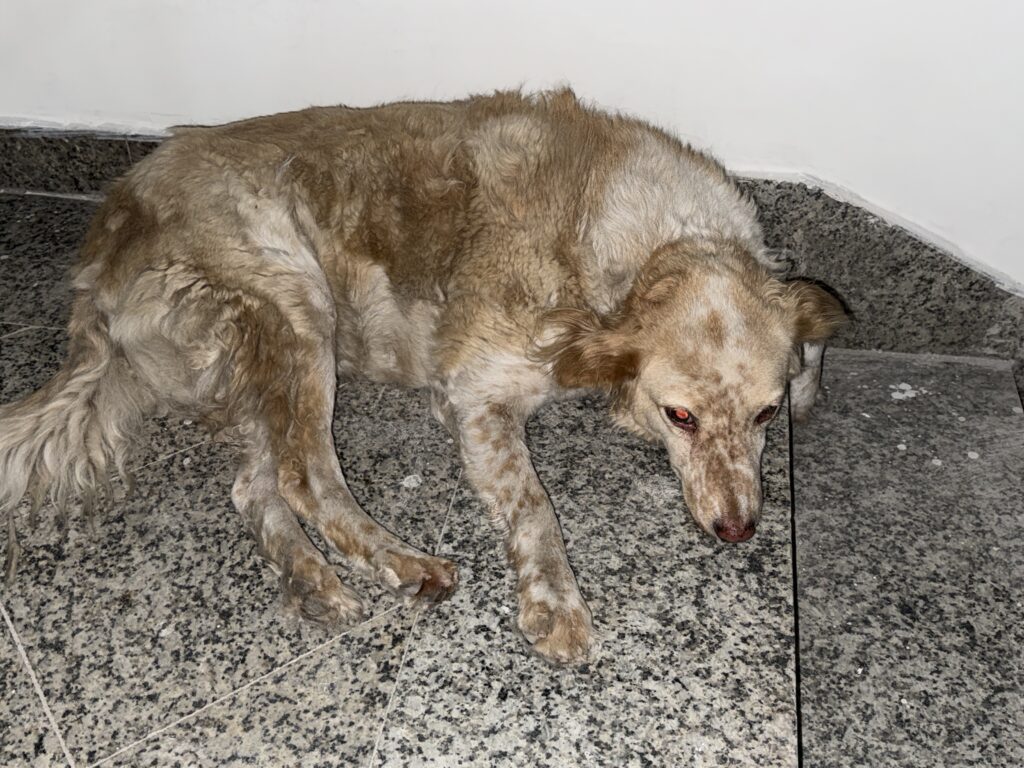
Injuries, Illness, and Lack of Care
Life on the streets exposes stray dogs to constant risk. Road accidents, untreated injuries, infections, and illness are common. When they are in pain, they often withdraw and hide, suffering quietly without help. They cannot express their pain in words, yet they feel it deeply.
Emotional Pain and Broken Trust
When a dog is hit simply out of fear that it might bite, the pain goes beyond the physical. We cannot fully imagine what they feel in that moment. They do not understand hatred—they only understand experience. Something within them changes—their trust begins to break. They start seeing humans not as protectors, but as a threat.
Over time, they begin to hide from people. If someone approaches them while they are sitting quietly, they react not out of aggression, but out of self-defense. The fear we place in their hearts is often the result of how we choose to treat them.
Daily Life and Survival Conditions
Street dogs face every season without protection—scorching heat, heavy rains, and cold nights. They find temporary shelter wherever they can—under vehicles, in corners, beside buildings—but nothing is permanent. Those who cannot find a safe place—often after being chased away—are left to endure rain, harsh weather, and cold nights. With no protection, they fall ill, and many slowly lose their lives.
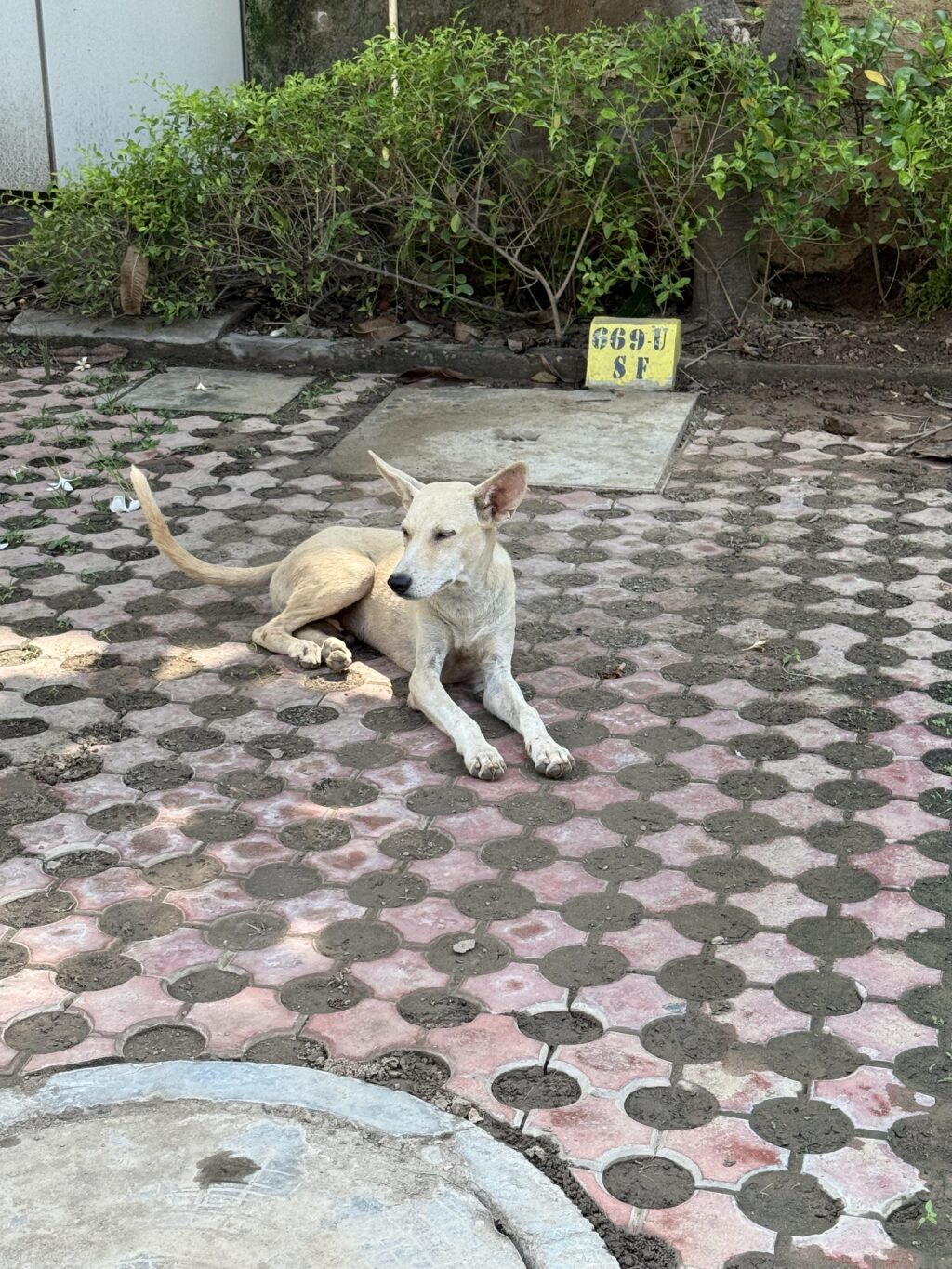
To some, their lives may appear insignificant because they cannot speak, work, or earn. But their silence is not emptiness—it holds feelings, memories, and unspoken pain. They are not just animals on the street—they are living beings who experience fear, trust, and a quiet resilience every day. Think about it….
Human–Stray Dog Conflict in India and the Need for Compassion
They often trust humans more than their own kind. But when that belief is broken—through neglect, harm, or rejection—it changes how they see the world. Besides, hunger still forces them to come out, to search, to survive. And in that struggle, when fear meets misunderstanding, human-animal conflict begins. What starts as hunger turns into tension between people and stray dogs. Yet, they are not outsiders—they are part of the same environment we live in.
A Call for Awareness and Compassion
Change does not require grand actions.
A simple bowl of food, a container of water, or even a kinder attitude can make a meaningful difference.
With awareness, responsibility, and mutual respect, humans and stray dogs can coexist peacefully. Humane population control through sterilization—supported by organizations like Humane Society International India—offers a compassionate and effective way to achieve this balance.
My Thoughts
Between hunger and humanity, their lives reflect not just how they survive—but how we choose to treat the voiceless beings who share our world.
The only real solution to this conflict is empathy. When we show kindness—by feeding them, caring for them, and earning their trust—we create the opportunity to manage their population humanely through sterilization. This is the only ethical and sustainable way, not violence or killing.
Without sterilization, the population can multiply rapidly, with even one female dog giving birth every 6 months. Think about it—how many lives will be taken if killing is used as a “solution”? Instead, choose compassion.
As members of society, we all share responsibility. Contributing even a little toward sterilization efforts can make a big difference. Rather than harming them, let’s work together to protect and manage them humanely.
Being human gives us power—but it also gives us responsibility. Let’s not misuse that power against innocent lives. Let’s use it to protect, to care, and to build a future rooted in kindness and respect.
Because in the end, animals respond to how we treat them.
Love brings trust. Hate creates fear.
This is my humble request to everyone: choose empathy.
Frequently Asked Questions
Why are there so many stray dogs in India?
Stray dogs in India exist due to factors like uncontrolled breeding, lack of sterilization, and dependence on human food sources. We need to choose the best option to control the population – sterilization.
Why do stray dogs sometimes behave aggressively?
Aggression is usually caused by fear, hunger, pain, or past negative experiences with humans—not by nature alone.
Is feeding stray dogs allowed in India?
Yes, feeding stray dogs is generally allowed, but it should be done responsibly without disturbing others.
What do stray dogs eat to survive?
They survive on leftovers, garbage, and food provided by feeders, often without proper nutrition.
How can we help stray dogs safely?
By feeding responsibly, providing water, supporting sterilization, and spreading awareness in the community.
……………………………………….
To see the contrast between certainty and survival, explore how a daily routine shapes the life of pets. You can also understand more about their instincts and struggles by reading why dogs eat plants.