
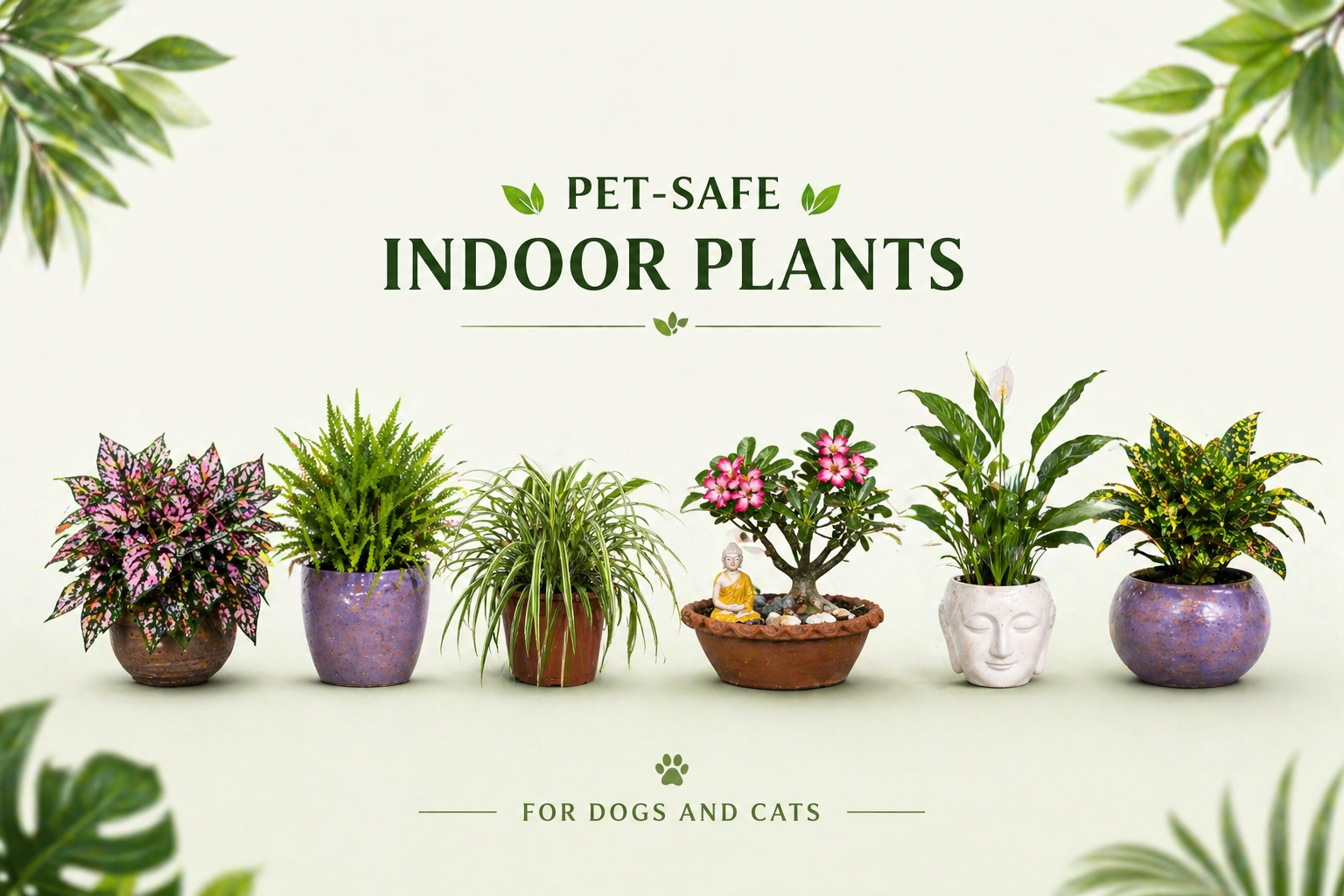
When I first started bringing pet-safe indoor plants into my home, I wasn’t thinking about safety. I just wanted greenery—something calming, something that made the space feel alive.
That changed the day I saw my dog quietly nibbling on a leaf.
That moment made me pause. I realized that many common indoor plants can actually be harmful to pets. If you’re unsure which ones to avoid, I’ve shared a detailed guide on indoor plants that are toxic to dogs and cats.
I didn’t want to give up plants, but I also didn’t want to take any risks with my pet’s health.
So I started a small, intentional journey—finding indoor plants that are not only beautiful but also safe for dogs and cats.
Slowly, my home found a balance. Plants and pets coexisted peacefully, and the space began to feel more natural and lived-in.
I began choosing pet-safe indoor plants that I could trust around my pets without constant worry. To keep my plants healthy and protect them from pests without exposing my pets to harsh chemicals, I started using natural solutions like neem oil.
This guide is a reflection of that journey—plants that worked for me, and might work for you too.
What are pet-safe indoor plants?
Pet-safe indoor plants are non-toxic plants that do not harm dogs or cats if accidentally ingested. These plants are safe to keep in homes with pets and help create a healthy indoor environment without the risk of poisoning.
Best Pet-Safe Indoor Plants for Dogs and Cats
| Plant Name | Pet Safety | Care Level | Best Placement | Why It’s Safe |
|---|---|---|---|---|
| Spider Plant | Safe for Dogs & Cats | Easy | Windowsill, hanging pot | Non-toxic and safe even if pets nibble occasionally |
| Areca Palm | Safe for Dogs & Cats | Easy | Living room corner | Soft, non-toxic leaves with no harmful compounds |
| Calathea | Safe for Dogs & Cats | Moderate | Indoor shaded area | Does not contain toxic sap or irritants |
| Boston Fern | Safe for Dogs & Cats | Moderate | Bathroom, balcony | Natural fern variety that is non-toxic to pets |
| Bamboo Palm | Safe for Dogs & Cats | Easy | Indoor corners | Pet-friendly palm with no toxic compounds |
| Peperomia | Safe for Dogs & Cats | Easy | Desk, shelf | Compact plant with non-toxic leaves |
| Fittonia (Nerve Plant) | Safe for Dogs & Cats | Moderate | Tabletop, desk | Non-toxic foliage safe for curious pets |
| Christmas Cactus | Safe for Dogs & Cats | Easy | Bright indoor space | Unlike many succulents, it is pet-safe |
| African Violet | Safe for Dogs & Cats | Moderate | Windowsill | Non-toxic flowering plant safe for pets |
| Orchid (Phalaenopsis) | Safe for Dogs & Cats | Moderate | Bright indirect light | Pet-friendly plant with no harmful effects if ingested |
Which indoor plants are safe for dogs and cats?
Some of the best pet-safe indoor plants include spider plant, areca palm, calathea, Boston fern, bamboo palm, peperomia, fittonia, Christmas cactus, African violet, and orchid. These plants are non-toxic and safe for homes with pets.
1. Spider Plant as No.1 Pet-Safe Indoor Plant
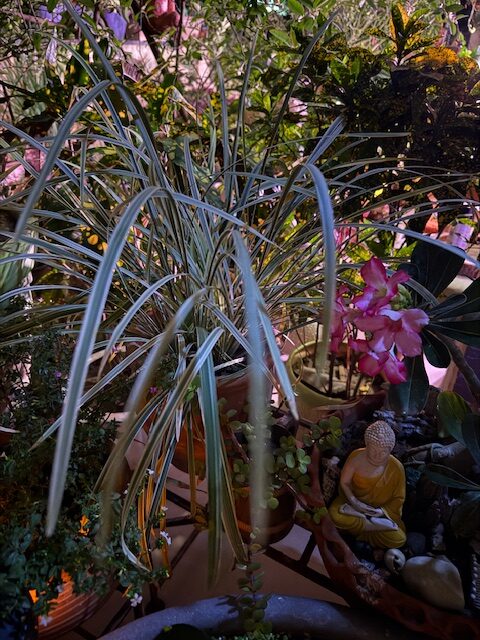
This was the first plant I truly felt comfortable keeping around my pet.
I placed it near a window and watched its long leaves gently cascade over the pot. My dog did try to sniff and nibble once, but this time, I didn’t feel anxious. That sense of relief made a difference.
Why I like it:
Safe even if pets get curious
Very easy to care for
Grows quickly
2. Areca Palm
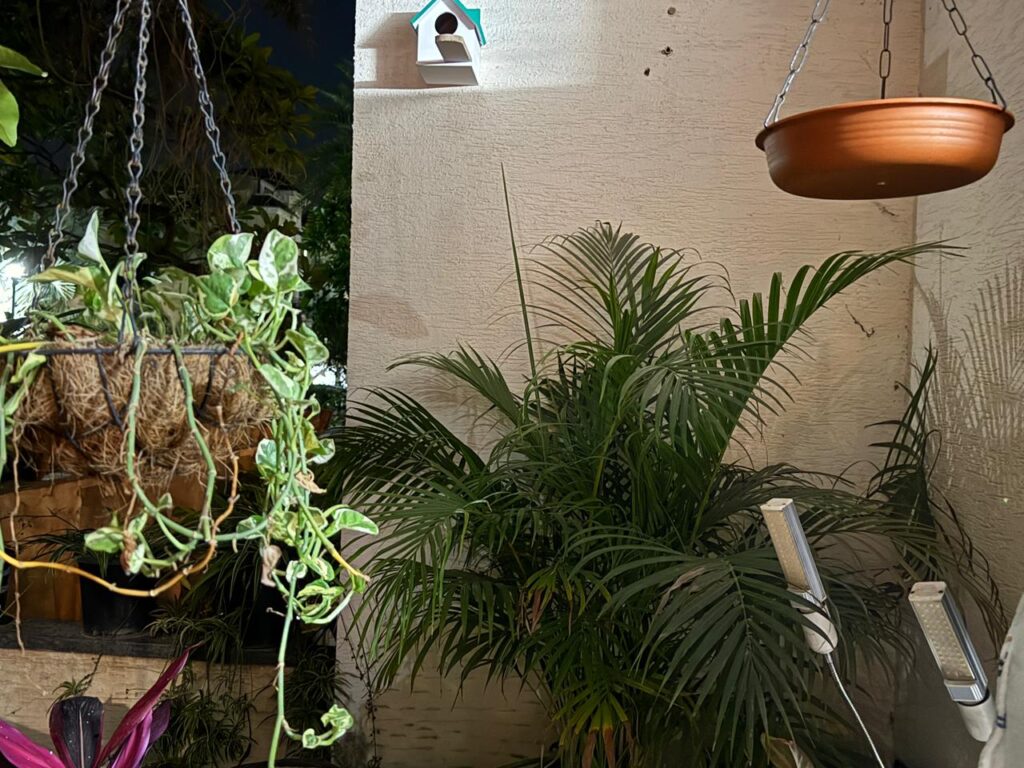
This plant transformed an empty corner of my home.
It added height, softness, and a quiet sense of freshness. It feels like bringing a piece of nature indoors without worrying about safety.
3. Calathea
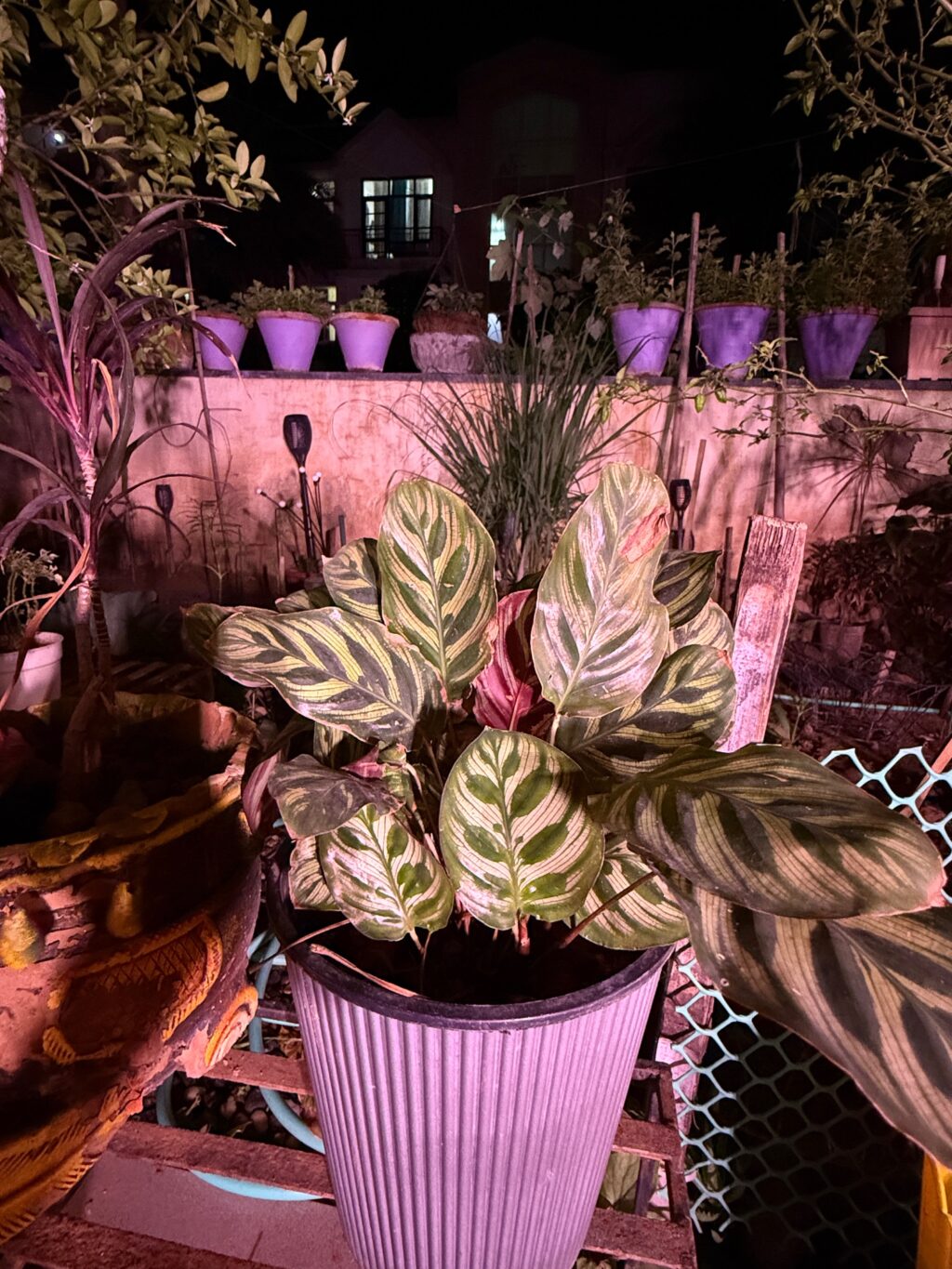
Calathea took a bit more patience.
It’s slightly sensitive compared to other plants, but the patterns on its leaves are unique. I found myself observing it more than expected—especially how the leaves subtly move throughout the day.
4. Boston Fern

This plant brought a natural, almost outdoor feel inside my home.
It thrives in humid spaces, so I placed it near my balcony and washing area. It grew well there, and I never had to think twice about my pet being around it.
6. Fittonia (Nerve Plant)
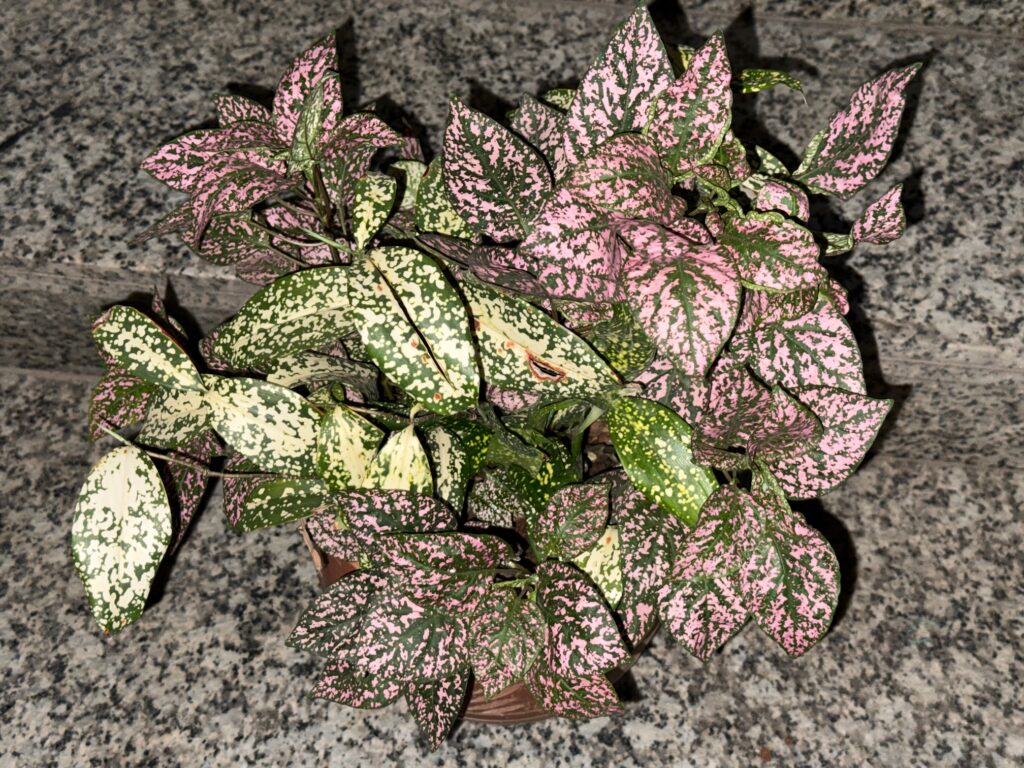
This plant feels almost like a piece of art.
The detailed veins on the leaves make it stand out, even in a small corner. I placed it on stairs where there was no direct sunlight, and it quickly became something I enjoyed looking at.
Why I like it:
- Compact and decorative
- Ideal for desks and small spaces
- Safe for pets
6. Christmas Cactus
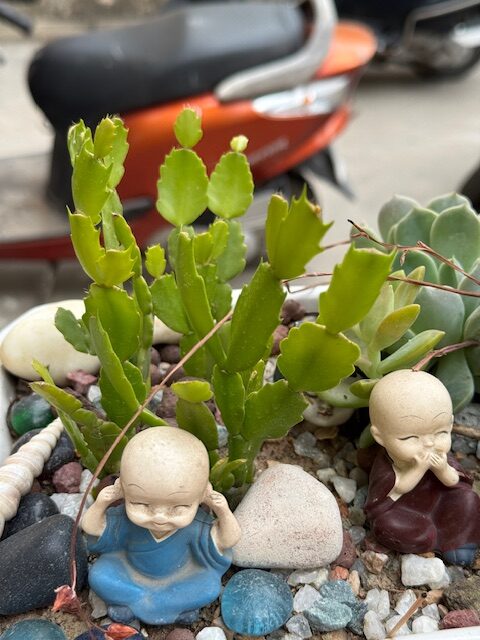
A slightly different plant, but just as comforting.
It blooms at unexpected times, which makes it feel special. Seeing flowers indoors added a quiet joy, especially knowing it was safe around my pet.
Why I like it:
Pet-friendly
Low maintenance
Unique flowering plant
7. Bamboo Palm
A calm and balanced plant.
It doesn’t demand constant attention, which makes it ideal for a busy routine. It quietly fills a space without overwhelming it.
8. Peperomia
A perfect choice for smaller spaces.
I kept this one on a shelf, and it added a gentle touch of green without needing much effort. It’s one of those plants that fits easily into daily life.
9. African Violet
This plant introduced color into my space.
The soft blooms made the room feel calmer and more complete. It’s small, manageable, and easy to care for once you understand its needs.
Why I like it:
- Adds subtle color indoors
- Compact and neat
- Safe for pets
Pet-Safe Indoor Plants vs Toxic Indoor Plants (Quick Comparison)
| Category | Pet-Safe Indoor Plants | Toxic Indoor Plants |
|---|---|---|
| Examples | Spider Plant, Areca Palm, Calathea, Boston Fern | Pothos, Snake Plant, Peace Lily, Aloe Vera |
| Safety Level | Non-toxic to dogs and cats | Can cause mild to severe poisoning |
| Pet Interaction | Safe if pets nibble occasionally | Can cause irritation, vomiting, or worse |
| Care Approach | Safe to keep within reach | Must be kept out of reach or avoided |
| Best For | Pet-friendly homes | Homes without pets or controlled spaces |
10. Orchid (Phalaenopsis)
This one felt a little different from the rest.
At first, I assumed it would be difficult to maintain, but it turned out to be surprisingly manageable. The flowers last for weeks, and it adds a quiet elegance to the room.
Why I like it:
- Long-lasting blooms
- Elegant appearance
- Safe for dogs and cats
What I Learned Along the Way
Even with pet-safe plants, I follow a few simple habits:
- I avoid placing plants near my pet’s food or sleeping area
- I pay attention to how curious my pet is around new plants
- I avoid using strong chemicals or fertilizers
It’s not about creating a perfect setup. It’s about being aware and making small, thoughtful choices.
Final Thoughts
Living with both pets and plants doesn’t have to be complicated.
For me, it became part of a quiet daily routine—watering plants in the morning, noticing small changes in growth, and watching my pet rest nearby.
It’s not about having the perfect home.
It’s about creating a space that feels calm, safe, and truly yours.
Frequently Asked Questions
What are pet-safe indoor plants?
Pet-safe indoor plants are non-toxic plants that do not harm dogs or cats if accidentally ingested. These plants are safe to keep in homes with pets and help create a balanced, worry-free indoor environment.
Which indoor plants are safe for dogs and cats?
Some of the best pet-safe indoor plants include spider plant, areca palm, calathea, Boston fern, bamboo palm, peperomia, fittonia, Christmas cactus, African violet, and orchid. These plants are widely known to be non-toxic and suitable for pet-friendly homes.
Are all indoor plants safe for pets?
No, not all indoor plants are safe for pets. Many common plants like pothos, snake plant, and peace lily can be toxic and may cause irritation, vomiting, or more serious health issues if ingested.
Can pets safely eat indoor plants?
Even pet-safe indoor plants should not be eaten in large amounts. While they are non-toxic, excessive consumption can still lead to mild digestive discomfort in dogs or cats.
How can I keep my pets safe around indoor plants?
Choose pet-safe indoor plants, avoid using chemical fertilizers or pesticides, place plants thoughtfully, and observe your pet’s behavior around new plants to ensure they remain safe.