
Description
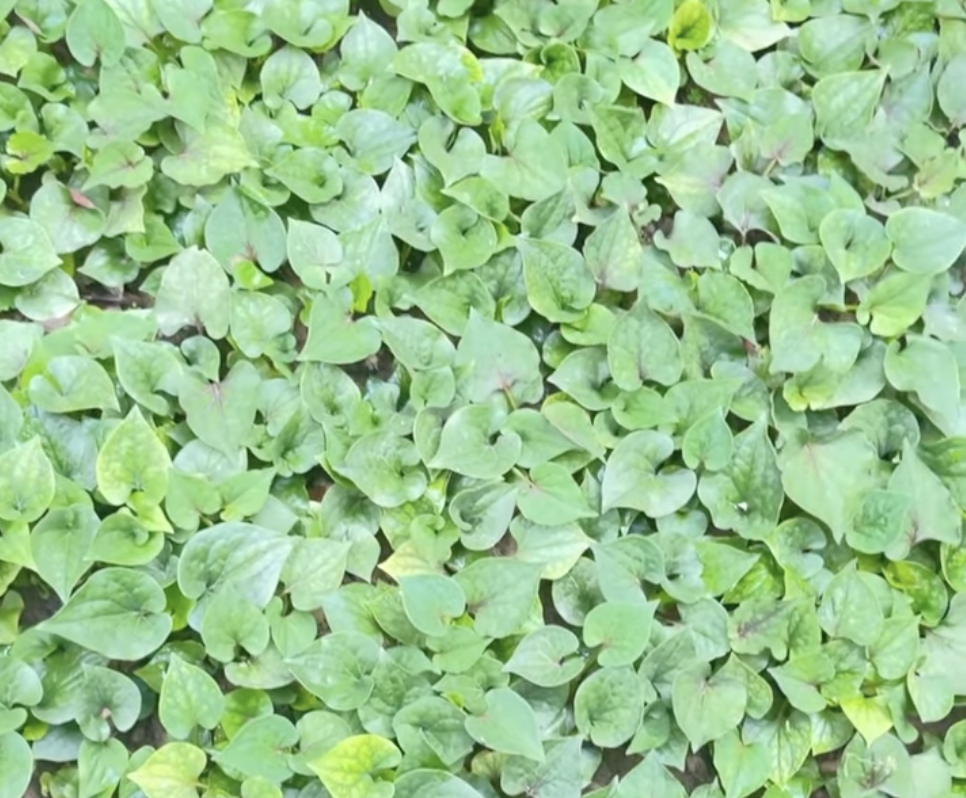
Fish mint, also known as Houttuynia cordata, is a leafy herb popular in Southeast and East Asian cuisine. It is famous for its strong aroma and unique taste, often described as fresh and citrusy.
Key Nutrients & Compounds
- Antioxidants – help protect cells from damage
- Flavonoids (such as quercetin) – may help reduce inflammation
- Essential oils – contribute to its antibacterial properties
- Vitamins & minerals – contains small amounts of vitamin C, potassium, and calcium
- Plant polyphenols – support overall wellness and immunity
Health Benefits
- Rich in antioxidants
- Traditionally used to support immunity
- May help digestion and reduce inflammation
- Contains natural antibacterial properties
Famous For
Fish mint is widely used in Vietnamese, Thai, Korean, Chinese, and Northeastern Indian cuisines. It is especially popular in fresh salads, herbal remedies, and spicy side dishes.
Both the leaves and roots are edible. The roots can be stored for years and used to grow new plants.
How to Eat
- Eat fresh leaves or roots in salads or wraps
- Chew fresh leaves naturally like herbal gum
- Blend into herbal drinks or chutneys
- Add to soups and noodles
- Enjoy with chilli chutney or vegetable-chilli chutney such as Eromba or Morok Metpa in Manipuri cuisine
- Use as a garnish with grilled meat or fish
Fish mint is usually eaten fresh because cooking may reduce its distinctive flavor and aroma.
Reviews
There are no reviews yet.